Parson's Chameleon
- Class: Reptilia
- Order: Squamata
- Family: Chamaeleonidae
- Scientific Name: Calumma parsonii
- Class: Reptilia
- Order: Squamata
- Family: Colubridae
- Scientific Name: Lampropeltis getula nigrita
Taxonomic Note: The Parson’s Chameleon is the largest chameleon species native to Madagascar and one of the largest in the world.
GEOGRAPHY
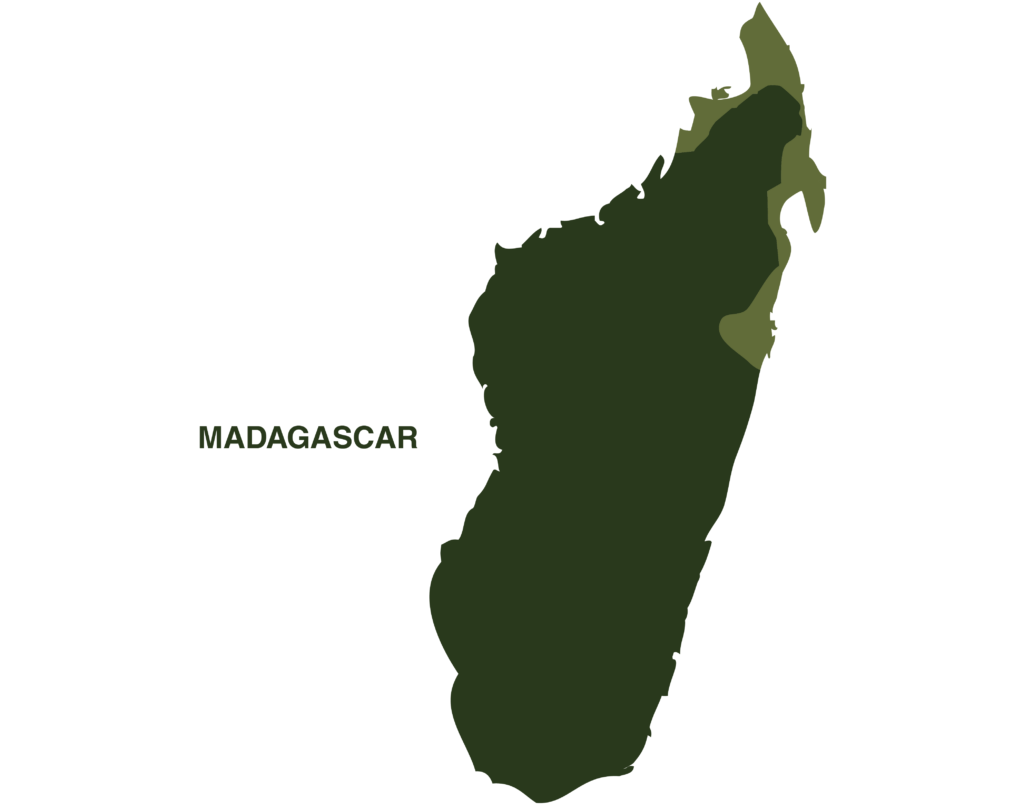
This species is endemic to Madagascar, found only in isolated pockets of humid primary forest in the eastern and northern parts of the island. They live in humid primary forests from lowlands up to elevations of 3,920 feet. They inhabit tropical rainforest environments with high humidity and warm temperatures, though they can tolerate the cooler conditions found at higher elevations in Madagascar.
CHARACTERISTICS
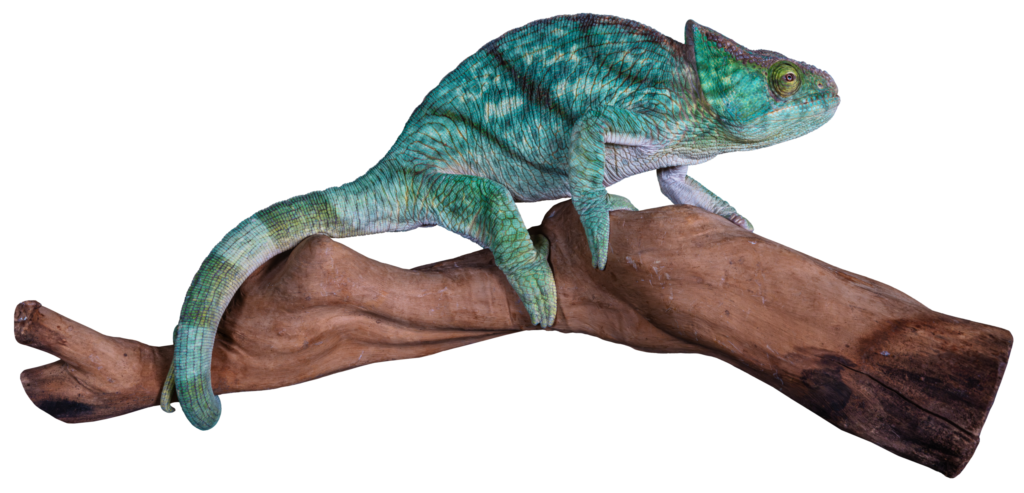
Parson’s Chameleon is among the largest and heaviest chameleons by length, reaching 18–27 inches and weighing up to 25 ounces. They are opportunistic carnivores, feeding primarily on invertebrates as well as lizards and small birds, especially insects. As slow-moving ambush predators, they remain motionless for long periods of time, using their nearly 360-degree field of vision through independently moving eyes. They catch prey by projecting their long, sticky tongue from their mouth.
Parson’s Chameleon is one of the longest-lived chameleon species. In the wild, they are estimated to live 10–12 years. In captivity, individuals have been recorded reaching 14–20 years. Their eggs hold the record for the longest incubation period of any reptile, typically taking 400–660 days to hatch. During this time, the eggs can triple in size—a remarkable transformation that happens entirely before the baby chameleon even emerges. When baby Parson’s Chameleons finally hatch, they are tiny but fully independent, measuring only about 2–3 inches in length. Like many reptiles, they receive no parental care; from the moment they break out of their eggs, they must hunt, hide from predators, and survive entirely on their own.
Their small size makes them especially vulnerable in the wild, but those that survive their first year grow rapidly. As juveniles, they already display the characteristic large casque (the prominent crest on their head) that adults are known for, though it becomes more pronounced with age. Females have demonstrated the remarkable ability to retain sperm after a single mating and produce multiple clutches over several years without further mating. This reproductive strategy is a brilliant adaptation to their low population densities in the wild, ensuring that a single encounter with a mate can sustain a female’s reproduction for years to come.