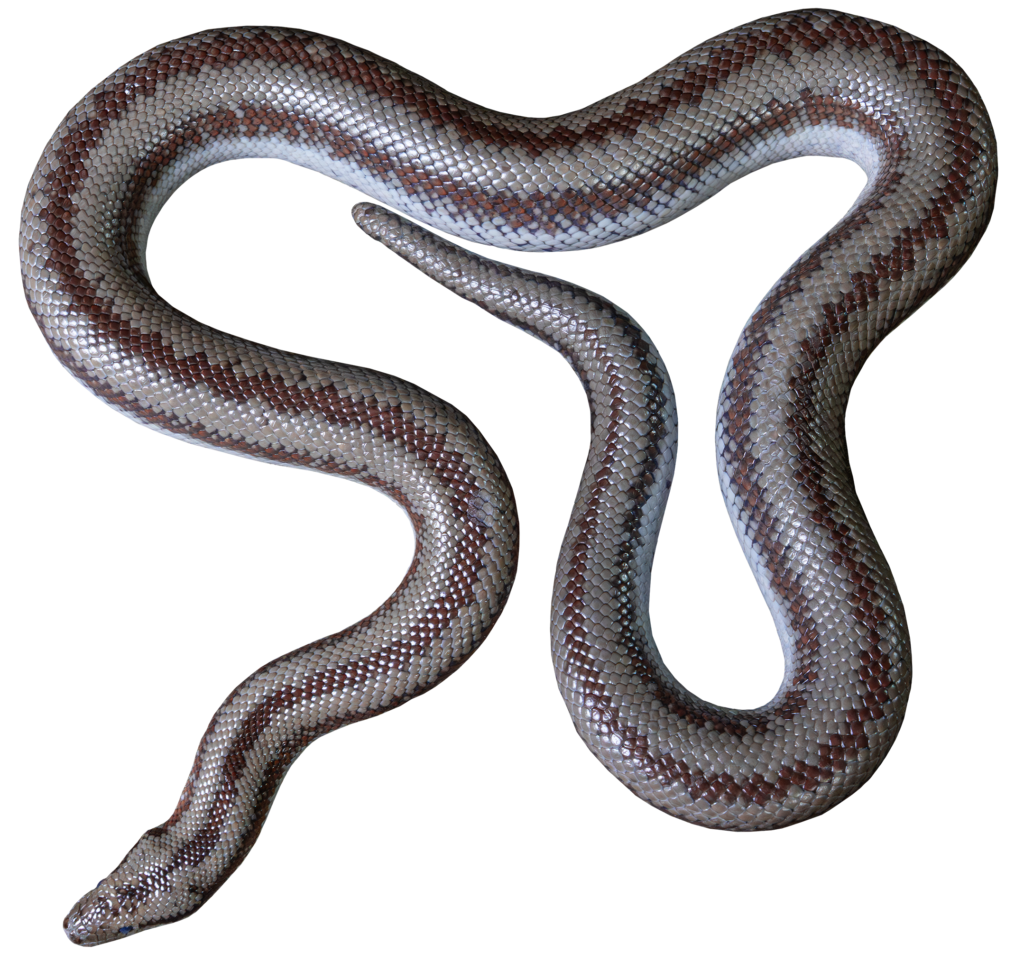
mexican rosy boa
- Class: Reptilia
- Order: Squamata
- Family: Boidae
- Scientific Name: Lichanura trivirgata
- Class: Reptilia
- Order: Squamata
- Family: Boidae
- Scientific Name: Epicrates maurus
- Morph: Ghost
Taxonomic Note: The Mexican Rosy Boa is one of three recognized subspecies of rosy boa, with their range centered primarily in Mexico.
GEOGRAPHY
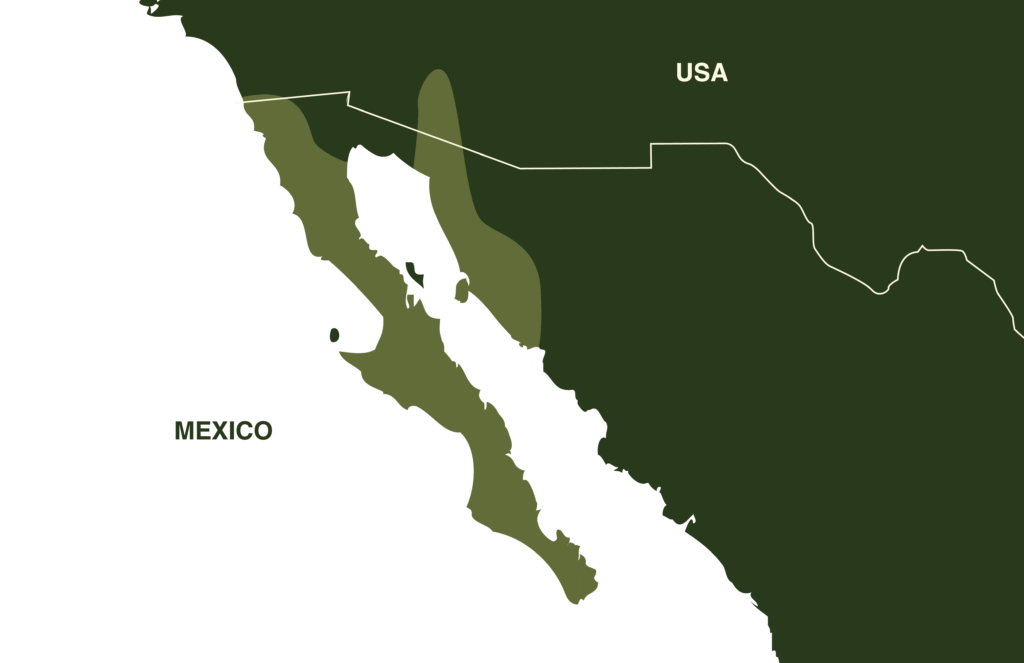
The Mexican Rosy Boa is native to northwestern Mexico, with their range extending across the Baja California peninsula and into Sonora. They may also be found in scattered populations near the Mexico-United States border, but their primary range lies within Mexico. They prefer rocky terrain with boulders and crevices for shelter, ranging from sea level up to 5,600 feet in elevation. They are found in Sonoran Desertscrub, Mojave Desertscrub, and Interior Chaparral, and sometimes near streams, canyon floors, and oases. When rocks are unavailable, they may shelter in abandoned rodent burrows.
CHARACTERISTICS
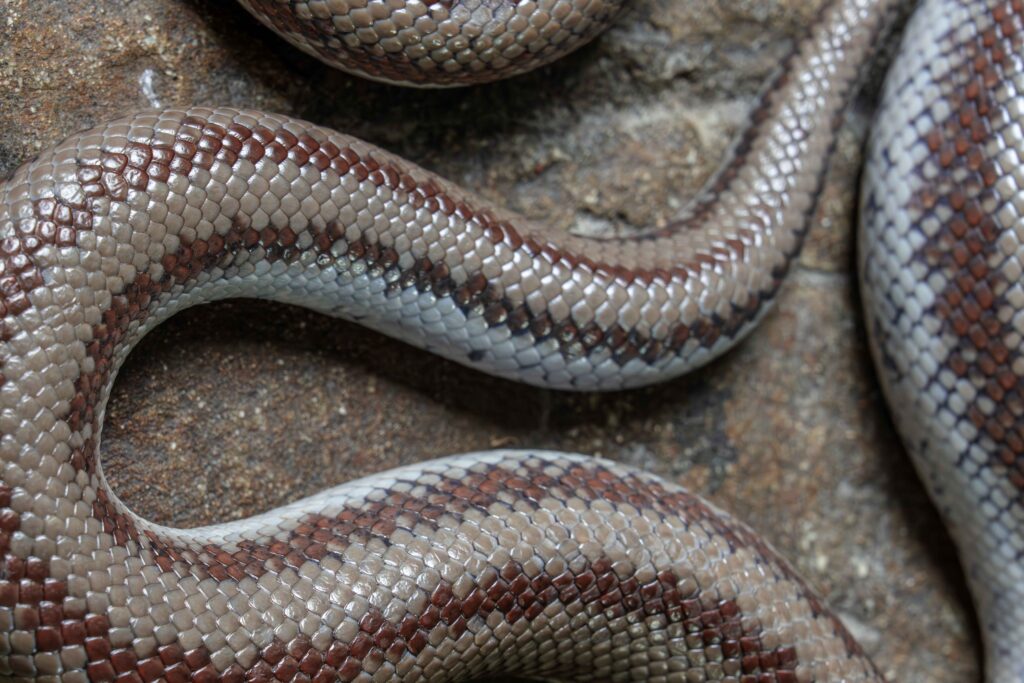
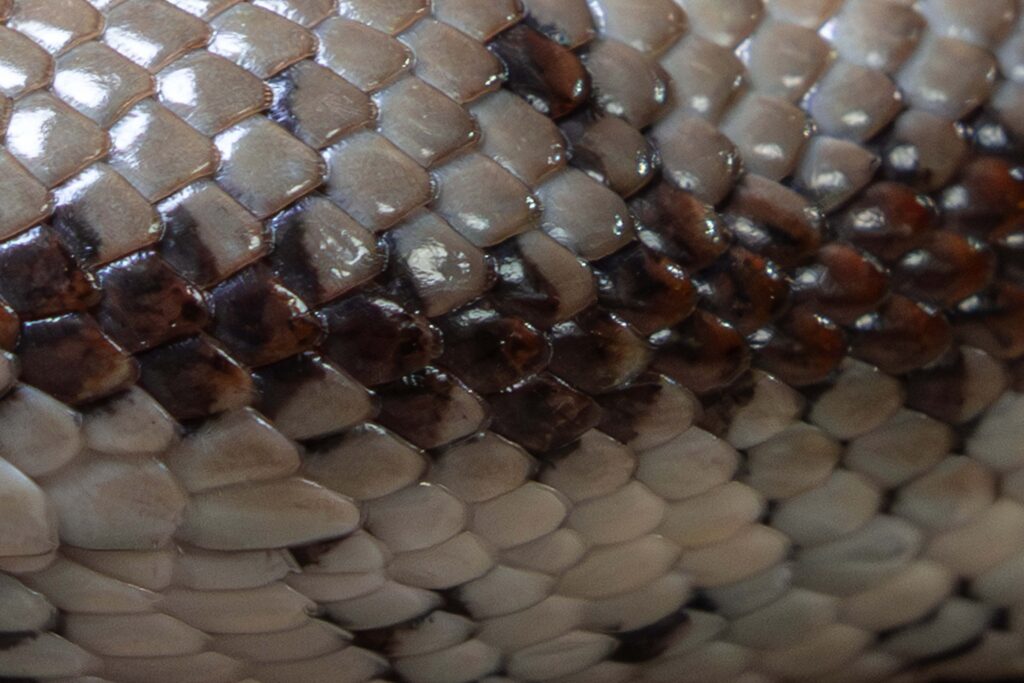
The Mexican Rosy Boa is a constrictor that reaches 24-36 inches in length (with Mexican specimens often on the larger end of the range) and weighs about 11-21 ounces. They are carnivorous, with a diet consisting of small mammals such as deer mice, kangaroo rats, wood rats, and rabbit kits, as well as small birds and lizards. They are nocturnal and have cat-like pupils that help them see in the dark for hunting. Both their head and tail are blunt, which helps confuse predators by making the tail appear like a second head, and also aids in burrowing into loose soil or crevices. As ambush predators, they use their forked tongue to detect scent particles in the air and their heat-sensing pits to locate warm-blooded prey. They strike with open jaws, grab hold to prevent escape, and then wrap their body around the prey to constrict and suffocate it before swallowing it whole, typically headfirst.
The Mexican Rosy Boa is considered one of the slowest-moving snakes in the world, moving only about 1 mile per hour on open ground. When threatened, they emit a foul-smelling musk or curl into a ball with their head protected in the center, waving their tail to mimic a second head and confuse predators. In hot summer months, they are active at night; in cooler spring and fall weather, they may be active during the day, and during the winter, they brumate—a hibernation-like state.
Like other boas, the Mexican Rosy Boa is ovoviviparous, meaning they give birth to live young encased in membranous sacs rather than laying eggs. Females typically give birth to 3–14 young per litter after a gestation period of four to five months. Males have vestigial hind limbs (anal spurs) on either side of the vent, which are used during courtship to stroke the female.
NORTH AMERICAN BOA DIVERSITY
Mexico is home to a greater diversity of native boas than the United States. While the United States has only two native boa species (the Rosy Boa and the Rubber Boa), Mexico’s varied habitats support multiple rosy boa populations and subspecies. The Mexican Rosy Boa represents an important part of this southwestern boa diversity, adapted specifically to the rocky deserts and scrublands of northwestern Mexico.