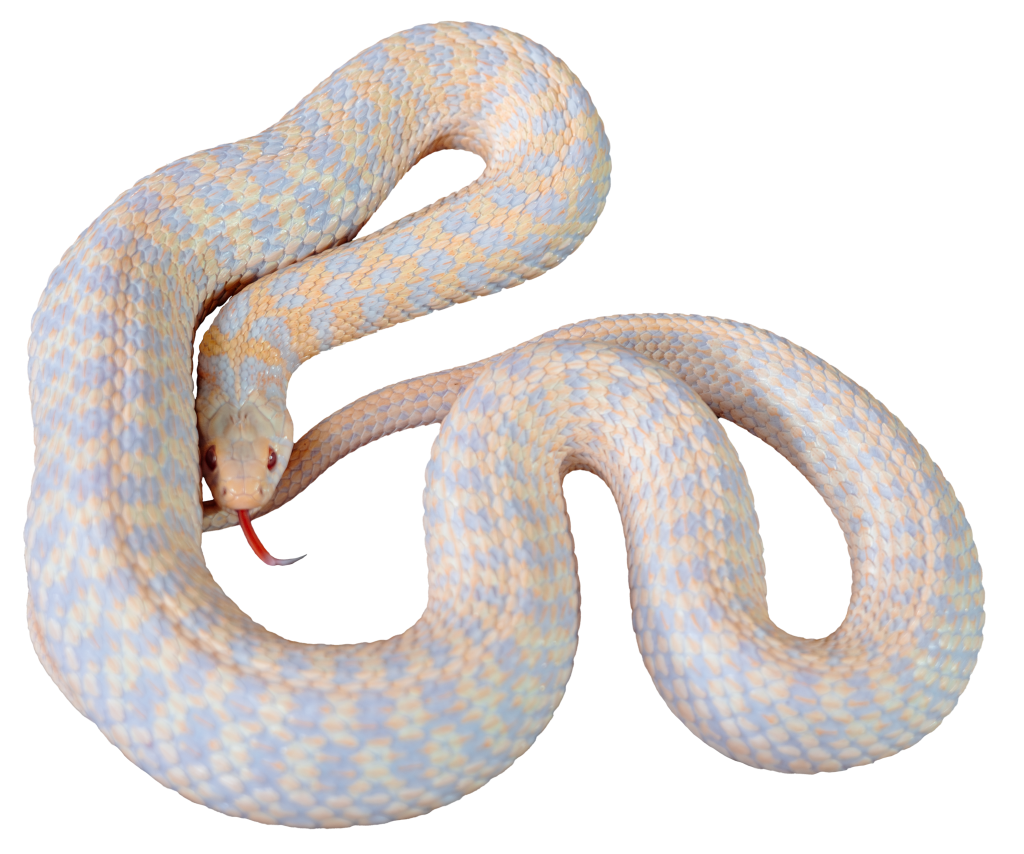
Albino Checkered Garter Snake
- Class: Reptilia
- Order: Squamata
- Family: Colubridae
- Scientific Name: Thamnophis marcianus
- Morph: Albino
- Class: Reptilia
- Order: Squamata
- Family: Colubridae
- Scientific Name: Thamnophis marcianus
- Morph: Albino
GEOGRAPHY
The Checkered Garter Snake is native to the southwestern United States (Texas, New Mexico, Arizona), Mexico, and parts of Central America south to Costa Rica. They inhabit grasslands, wetlands, riverbanks, and agricultural areas near permanent or seasonal water sources. They are a semi-aquatic and primarily terrestrial species; they do not climb trees but instead stay close to the ground, frequently soaking and swimming in ponds, streams, and marshes. They are excellent swimmers and often escape into water when threatened.

CHARACTERISTICS
The Checkered Garter Snake is diurnal and can live up to 15 years. They locate prey using visual cues and chemical sensing via their forked tongue and Jacobson’s organ. Unlike true constrictors, they pin struggling prey with their body weight before swallowing them alive. Their diet includes earthworms, small fish, amphibians, and rodents. Keepers should avoid feeding cyprinid fish (such as goldfish), which contain thiaminase—an enzyme that destroys vitamin B1 and can cause fatal neurological problems.
These snakes have a fast metabolism compared to most other pet snakes. For example, a ball python may eat once every 1–2 weeks, while a Checkered Garter Snake requires feeding every 3–5 days as adults. Juveniles need food every 2–3 days due to their higher metabolic rate. In their native range, they survive cold winters by entering brumation, gathering in communal dens with dozens or even hundreds of individuals. Unlike most snakes, they tolerate being housed in small groups of similarly sized individuals and are considered a more docile species. The Checkered Garter Snake is slender and agile, reaching 2–3 feet in length, with females larger than males. They are highly active and fast-moving, exploring during daylight hours. When threatened, their first instinct is to flee, but if cornered, they will bite and release a foul-smelling musk. They produce a mild, non-dangerous venom in their saliva via enlarged rear teeth, which helps subdue small prey but poses no significant threat to humans; bites may cause minor localized swelling or itching.
ALBINO GENETIC MORPH
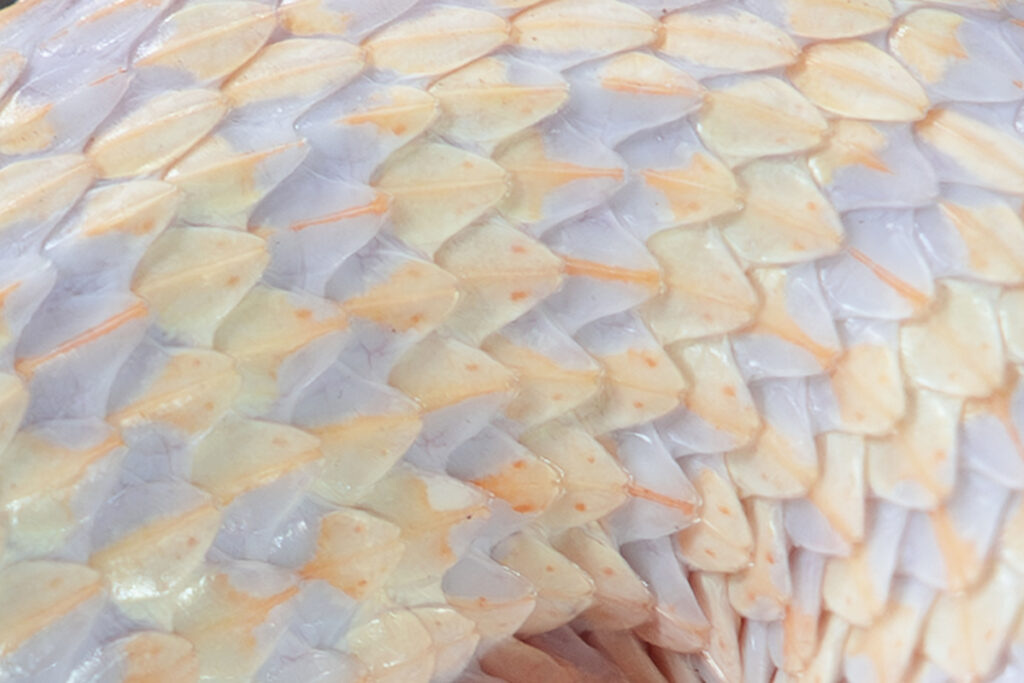
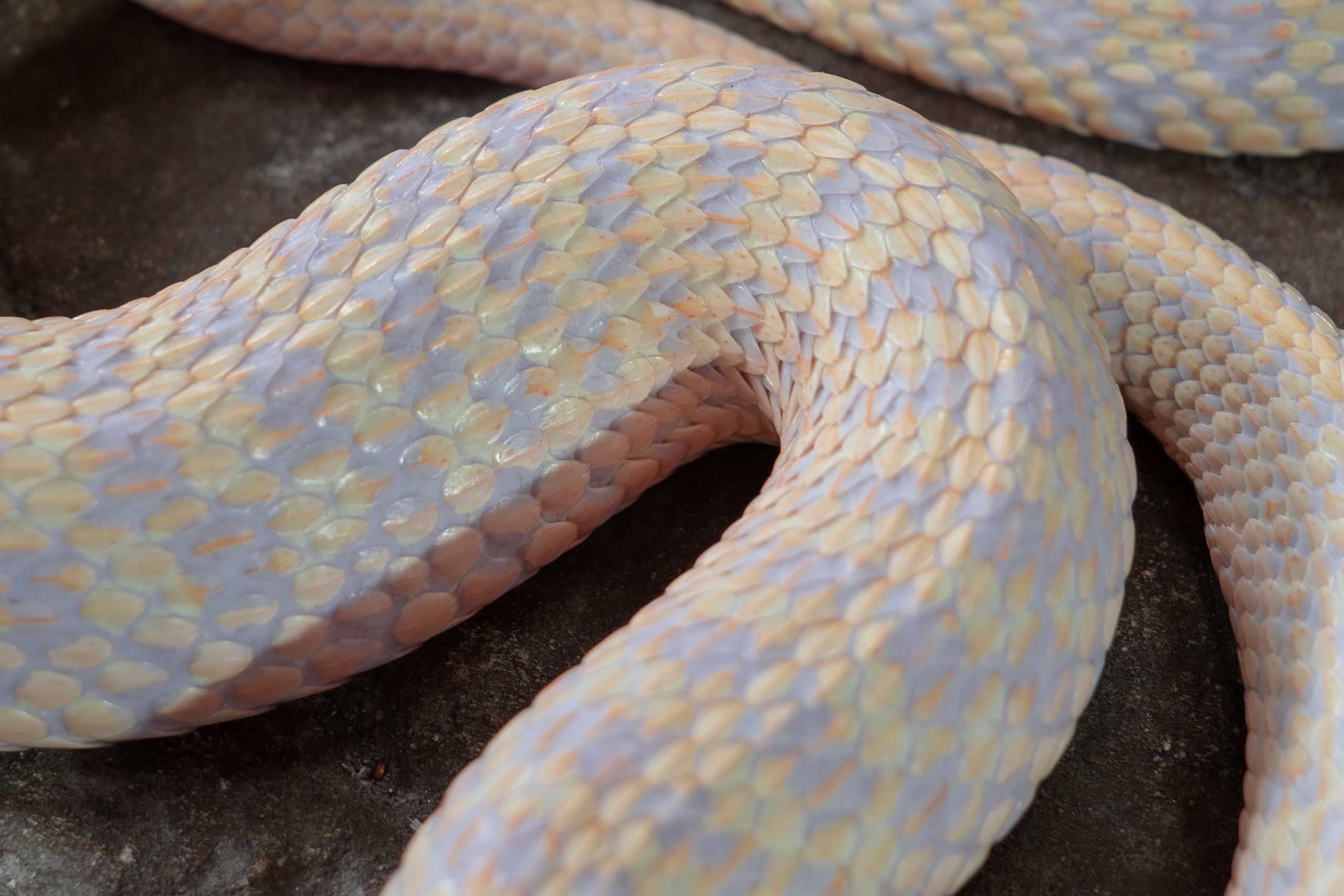
The albino morph results from a recessive mutation, requiring both parents to carry the gene for albino offspring. Breeding an albino to a normal checkered garter snake produces all normal-appearing offspring that are 100 percent heterozygous (carriers) for the albino gene. This mutation eliminates melanin, producing a striking appearance of gold, cream, yellow, and orange tones with red or ruby-colored eyes. The characteristic checkered pattern remains visible but appears in soft, warm hues rather than the typical dark checkering.