
Nicaragua Curly Haired Tarantula
- Class: Arachnida
- Order: Araneae
- Family: Theraphosidae
- Scientific Name: Tliltocatl albopilosus
- Class: Reptilia
- Order: Squamata
- Family: Iguanidae
- Scientific Name: Ctenosaura pectinata
Taxonomic Note: The species was reclassified from the genus Brachypelma to Tliltocatl in 2019, following taxonomic revisions based on morphological and genetic data. They are sometimes still listed under their former name in older sources.
GEOGRAPHY
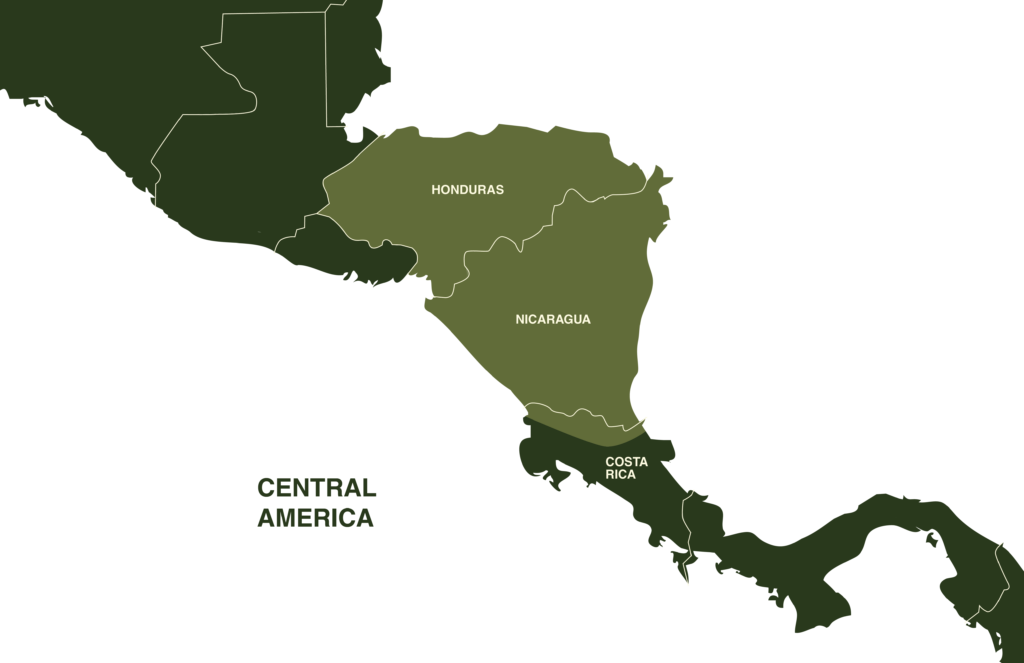
The Nicaragua Curly Haired Tarantula is native to Central America, with a distribution spanning Honduras, Nicaragua, and northeastern Costa Rica. They are a terrestrial, opportunistically burrowing species found in tropical scrublands and rainforests, often around the base of large trees, near rivers, or in patches of cleared forest.
CHARACTERISTICS
The Nicaragua Curly Haired Tarantula is a nocturnal, opportunistic ambusher that preys on insects and small vertebrates. They detect passing prey through sensitive hairs on their legs that pick up vibrations. The tarantula holds their prey with their pedipalps, injecting venom through hollow fangs that both paralyzes the prey and begins the digestion process, allowing the spider to suck up the liquefied nutrients.
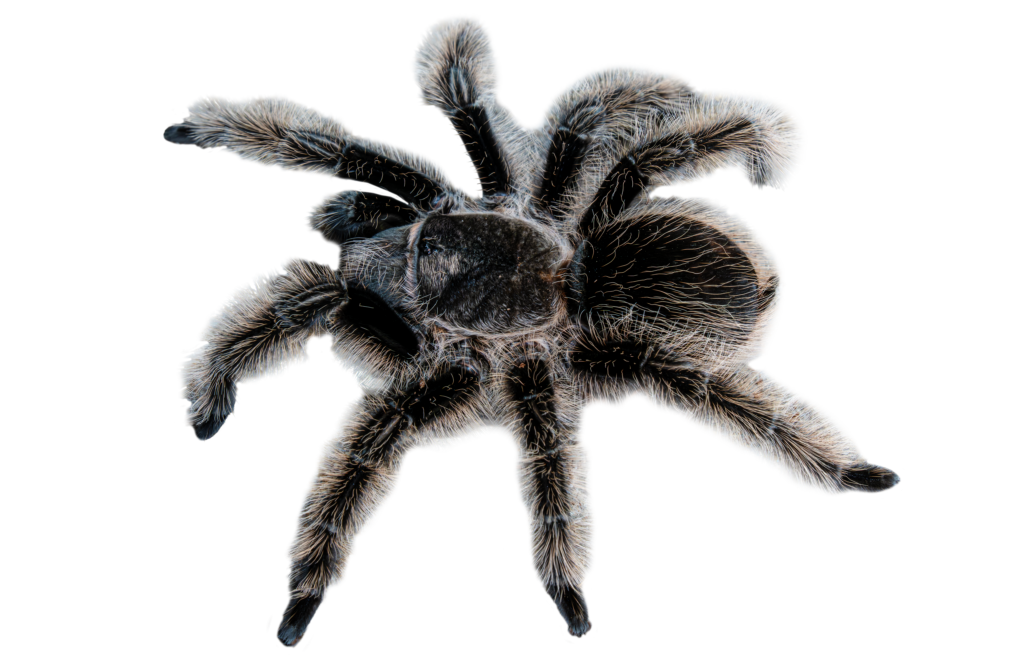
Adults have a leg span of up to 6 inches. The species is named for their distinctive long, curly bristles, giving them a unique, fuzzy appearance. They are covered in dark brown to black bristles that start lighter in juveniles and darken with age, overlaid with longer golden hairs that create a bronze sheen. When threatened, they kick irritating, barbed hairs from their abdomen. These can cause severe skin irritation, rash, swelling, and even serious eye problems if they get into the eyes. They are generally very docile and reluctant to bite. The venom is not considered medically significant to humans, and a bite is often compared to a bee or wasp sting, though the large fangs can cause painful puncture wounds.
Females are exceptionally long-lived, reaching 20 years or more in captivity. Males have a much shorter lifespan of around 5–10 years. Females mature at 3–4 years; males mature slightly younger. Mating typically occurs during the rainy season and a receptive female will allow a male to mate; an unreceptive female will become aggressive and may try to kill and eat him. Females produce a large egg sac containing 300–1,000 eggs, which is incubated for about 7–8 weeks. Spiderlings are initially tiny and will disperse to live independently after their first few molts.
PROTECTED SPECIES
The Curly-Haired Tarantula is listed on CITES Appendix II. This means their international trade is strictly regulated to protect wild populations from over-collection, though today most in the pet trade are captive-bred. This balance between regulation and responsible breeding ensures that these fuzzy, gentle giants remain a sustainable part of the hobby without harming wild populations.