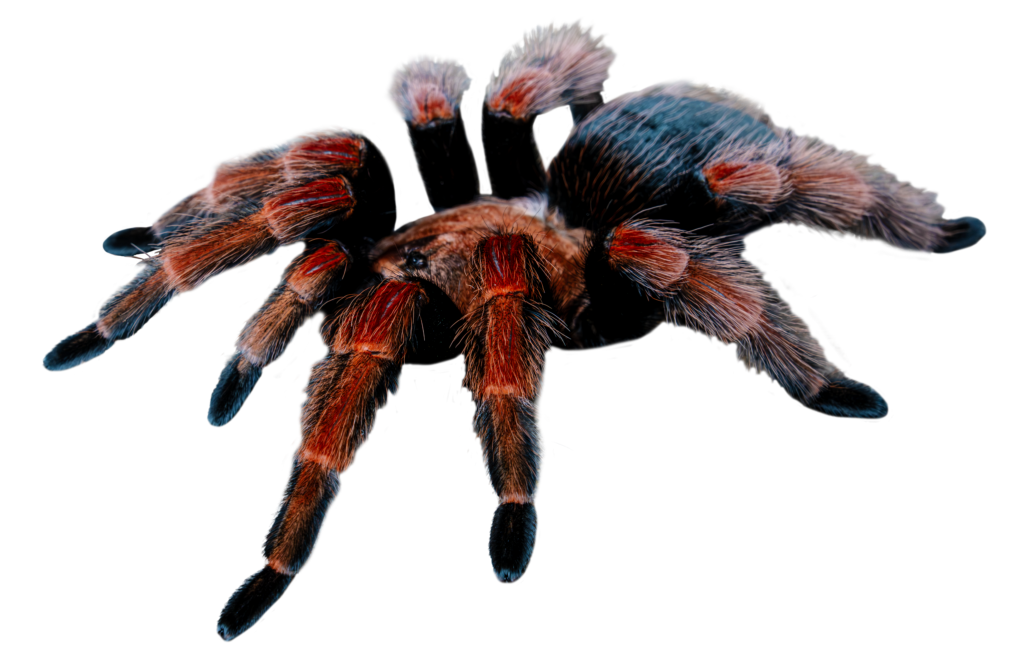
Mexican Fire Leg Tarantula
- Class: Arachnida
- Order: Araneae
- Family: Theraphosidae
- Scientific Name: Brachypelma boehmei
- Class: Reptilia
- Order: Squamata
- Family: Iguanidae
- Scientific Name: Ctenosaura pectinata
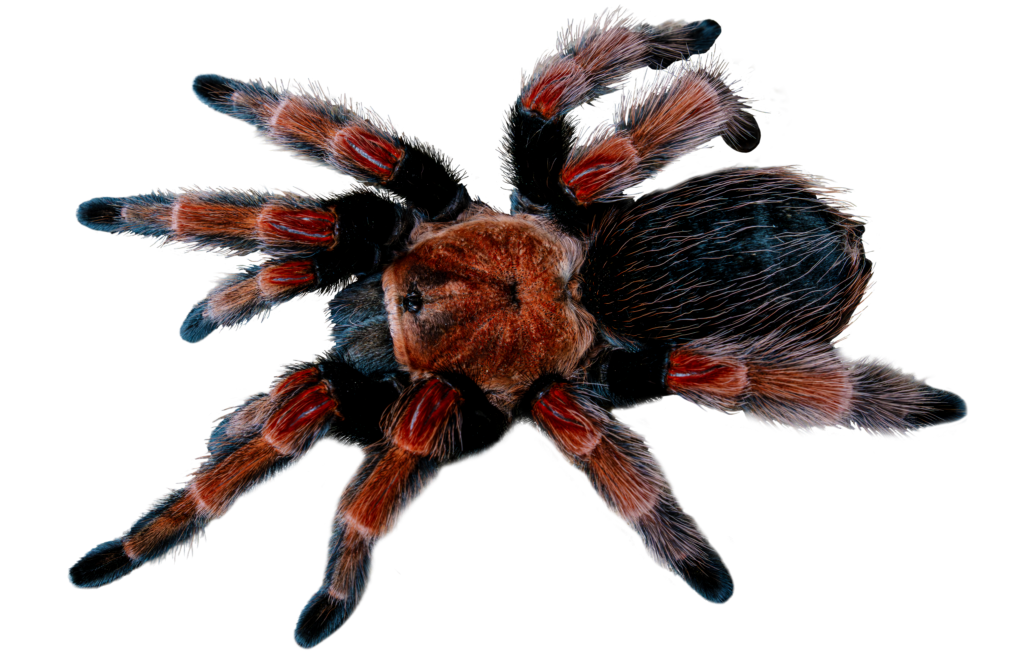
Taxonomic Note: The Mexican Fire Leg is named for their striking bright red-orange legs, which contrast beautifully against their dark brown to black body and carapace.
GEOGRAPHY
Mexican Fire Leg Tarantulas are endemic to Mexico, specifically found along the central Pacific coast in the state of Guerrero and possibly parts of western Mexico. They are a terrestrial species that prefers dry, scrubby areas and thorn forests. In the wild, they live in burrows they dig themselves or take over from rodents or lizards, often seeking shelter under rocks or fallen logs.

CHARACTERISTICS
Mexican Fire Leg Tarantulas are primarily nocturnal, but they can sometimes be active during the day, especially in the morning and evening. As carnivorous ambush predators, their diet consists of large insects like crickets and roaches. They do not use webs to catch prey but instead hunt them down actively. Unlike many tarantulas, they have a notably powerful feeding response and will eagerly pursue prey, making them exciting to watch during feeding time. They are not particularly defensive, but they can have a nervous or skittish temperament. Their primary defense is to kick urticating hairs from their abdomen; this species is known for being particularly quick to do so, and the hairs are reportedly very irritating to skin, eyes, and respiratory tracts.
They are long-lived, with females capable of living 20–30 years, while males have a much shorter lifespan of about 5–8 years after reaching maturity. Adults have a diagonal leg span of 5–6 inches. This species is known for their slow growth rate, reaching maturity slowly, males at around 7–8 years, and females at 9–10 years. Sub-adults and adults typically molt at the end of the dry season. After the male’s final molt, he will actively search for a female to mate with. The male must be careful during courtship to avoid being cannibalized; a risky but necessary dance for reproduction. A mated female will produce an egg sac, which will generally hatch three to four weeks before the rainy season begins, ensuring that the spiderlings emerge into a world of abundant food and moisture.
PROTECTED SPECIES
Because of their dramatic colors and popularity, these tarantulas are highly sought after in the pet trade. To protect wild populations from over-collection for the illegal pet trade, they are listed under CITES Appendix II, which regulates international trade and requires permits for collection or export from Mexico. Thankfully, they are now frequently bred in captivity, reducing the need to take them from the wild.
LIVING JEWELS
The Mexican Fire Leg is often described as one of the most beautiful tarantulas in the world. Their vibrant red-orange legs seem to glow against their dark bodies, making them appear like living embers or fiery jewels. This striking coloration serves as a warning to predators, a classic example of aposematic coloration; signaling that this spider is not worth the trouble. Combined with their slow growth, long lifespan, and relatively manageable temperament, they have become a favorite among tarantula enthusiasts who appreciate both beauty and resilience.