Grand Cayman Blue Iguana
- Class: Reptilia
- Order: Squamata
- Family: Iguanidae
- Scientific Name: Cyclura lewisi
- Class: Reptilia
- Order: Squamata
- Family: Iguanidae
- Scientific Name: Ctenosaura pectinata
Taxonomic Note: This species was officially declared a distinct species in 2004 after being identified as a subspecies of the Cuban iguana. Their closest relatives are the Cuban iguana and the Northern Bahamian rock iguana, from which they diverged approximately three million years ago.
GEOGRAPHY
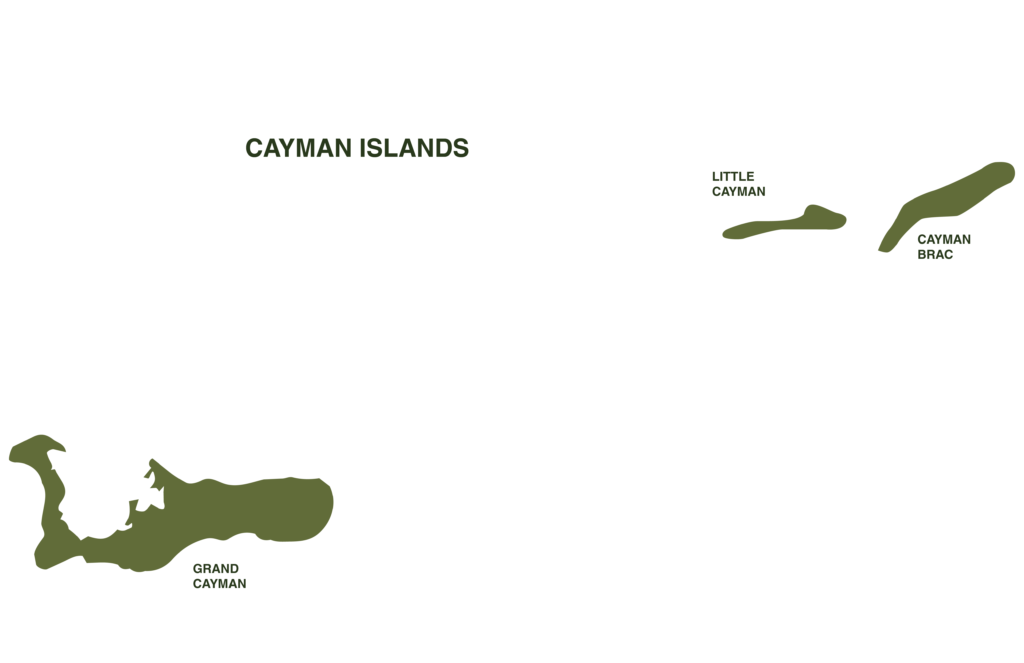
The Grand Cayman Blue Iguana is endemic exclusively to the island of Grand Cayman in the Cayman Islands. As of 2012, wild populations can be found throughout most of the island, excluding major urban centers. They prefer rocky, sunlit, open areas in dry forests or near coastal shores. They thrive in dry, rocky forests that may contain cactus and other thorny plants, as well as scrub woodlands and semi-deciduous forests. They are primarily terrestrial, ground-dwelling lizards, though younger individuals can be more arboreal and have been observed climbing trees. They spend their nights hidden in rock crevices, caves, and tree cavities. Once found island-wide, their range now primarily consists of inland dry shrubland (xerophytic shrubland) and the interfaces between farm clearings and forests. Prior to human settlement, blue iguanas nested on sandy beaches, much like their rock iguana cousins.
CHARACTERISTICS
Blue iguanas are primarily herbivorous, consuming leaves, flowers, and fruits from over 45 species of plants. Their diet is very rarely supplemented with insect larvae, crabs, slugs, dead birds, and fungi. As diurnal foragers, they spend daylight hours actively searching for food. A unique physiological adaptation is their lateral nasal gland, which functions as a salt gland. Because they eat large amounts of plant material high in potassium, this gland helps expel excess potassium and sodium chloride from their bodies, similar to how birds excrete salt.
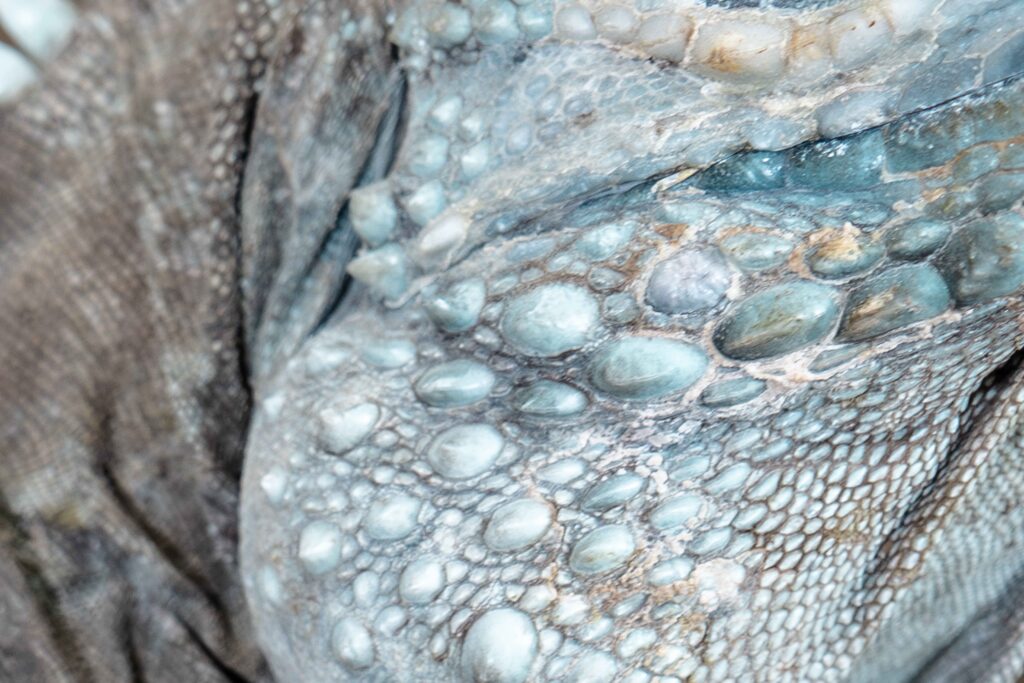
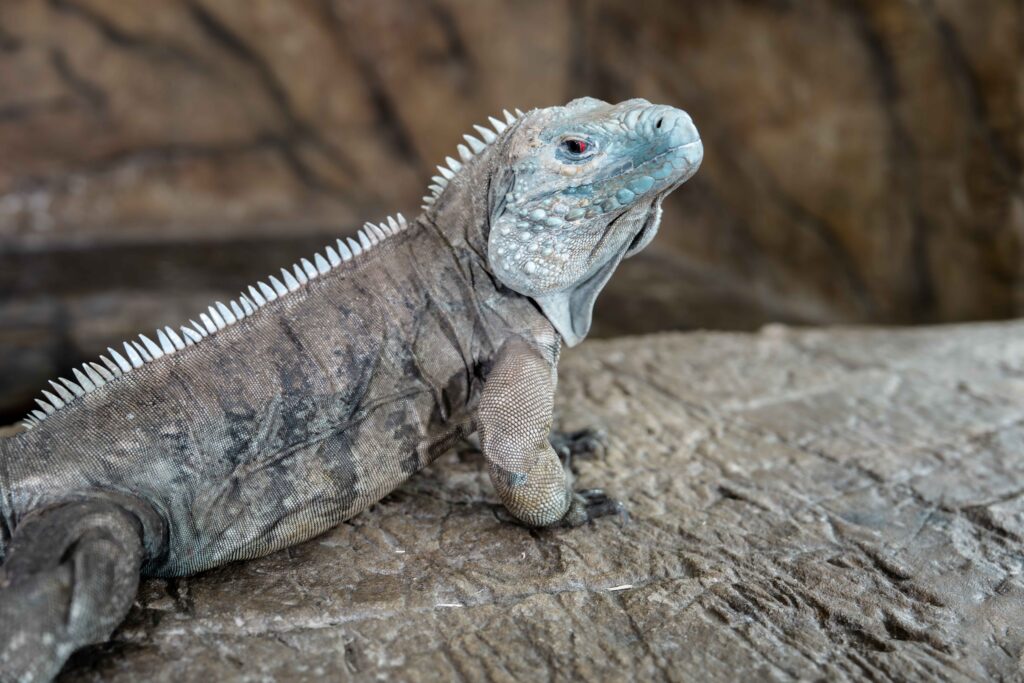
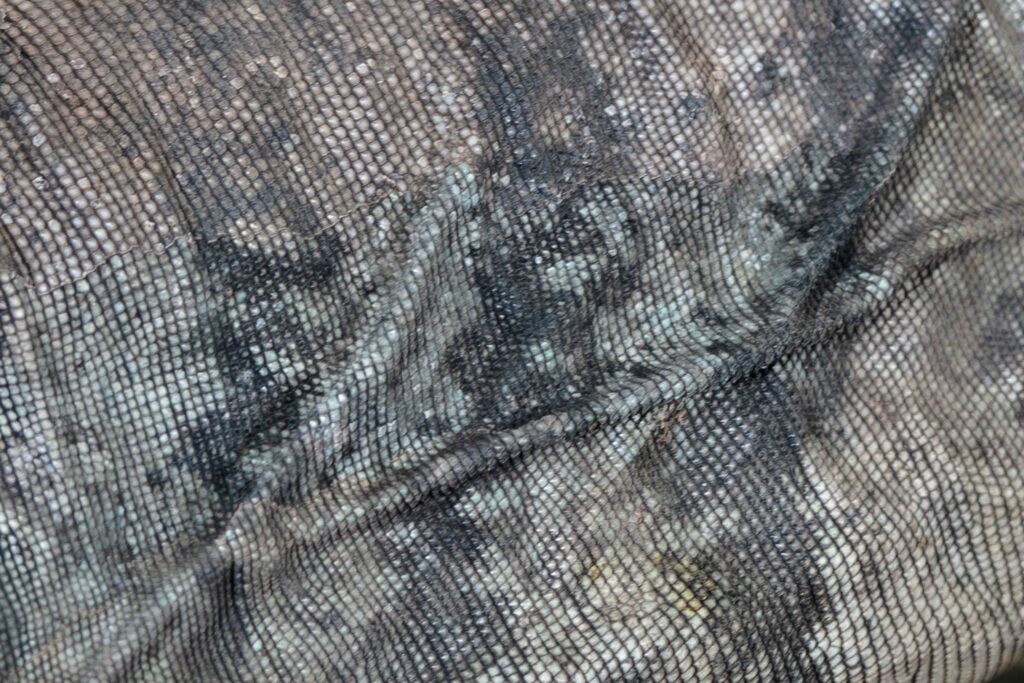
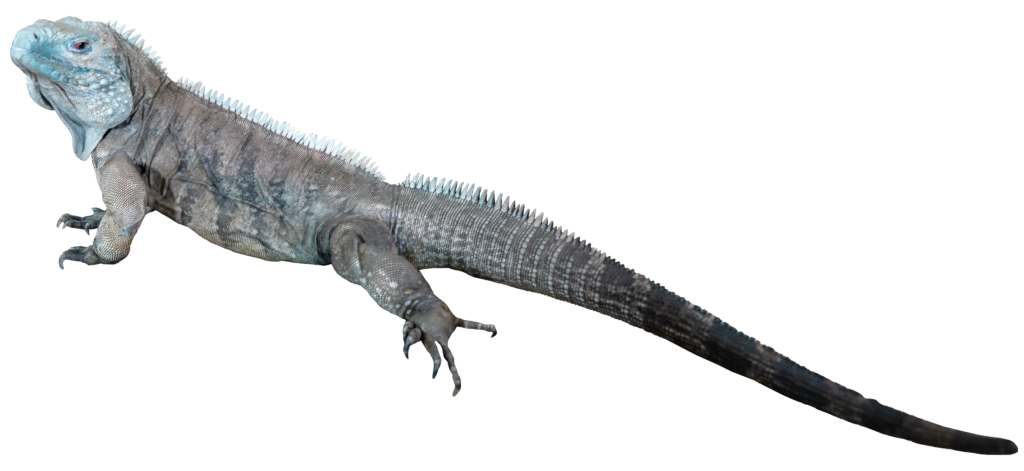
They are a classic example of “island gigantism,” as they are the largest native land animal on Grand Cayman. They have a heavy, robust body with a dorsal crest of short spines running from the base of the neck to the end of the tail. Adults can weigh as much as 30 pounds, making them one of the heaviest lizard species in the Western Hemisphere. Their total length can reach up to 5 feet, with their tail making up half of that. Males are significantly larger than females (about one-third larger), with more prominent dorsal crests, larger femoral pores (used to release pheromones), and they exhibit brighter blue coloration during breeding season. Blue iguanas are one of the longest-living species of lizard. In the wild, they generally survive for 25–40 years. The record for the longest-living lizard with reliable documentation is a blue iguana named “Godzilla,” who lived to an estimated 69 years of age.
They have sharp color vision and can see ultraviolet wavelengths, which is crucial for basking and vitamin D synthesis. They have only a few rod cells, so their low-light vision is poor. They also have a white, photosensory organ on top of their heads called the parietal eye. While it cannot form images, it is sensitive to changes in light and dark and can detect movement from above, helping to sense aerial predators. Adults are known to be very territorial, aggressively defending their home ranges from other iguanas of the same sex. While they have no natural predators as adults, they are wary of disturbance, and when threatened, they will typically retreat into rocky crevices.
Mating occurs from May through June, and they reach sexual maturity relatively late, between 4–9 years of age. After copulation, the female becomes very territorial and aggressive. She digs a nest in coastal areas, digging 1 foot deep in the sand, creating a burrow that can range from 16–60+ inches in length. Females lay clutches of 1–21 eggs, which are among the largest eggs laid by any lizard.
A COMEBACK STORY
Having evolved on an island with no native large mammalian predators, blue iguanas did not develop a fear of mammals. Hatchlings and juveniles are hunted by rats and feral cats, while adults are often killed by free-roaming pet dogs. Automobile collisions are also a significant cause of mortality, as they do not recognize cars as a threat. Due to these challenges, the blue iguana has undergone near extinction. Despite this, the species has a legendary conservation success story. By 2003, fewer than 15 individuals remained in the wild, and they were functionally extinct. Through an intensive captive breeding and “head-starting” program, over 1,200 captive-bred iguanas have been released into protected areas since 2004. Because the species was so rare for so long, many locals had never actually seen one, leading to their nickname the “blue dragon.” Their numbers were so decimated in the early 2000s that they were considered a myth by some, akin to a lost prehistoric creature that had “lumbered out of a lost world.”
The Grand Cayman blue iguana is featured prominently as a flagship species for conservation. They even have their own annual awareness day: International Blue Iguana Day, celebrated on May 8th. The recovery program is a partnership involving the Cayman Islands government, the National Trust for the Cayman Islands, and several international zoos, including the Durrell Wildlife Conservation Trust and the Smithsonian’s National Zoo. Thanks to these dedicated efforts, the “blue dragon” is no longer a myth but a living, breathing symbol of what conservation can achieve.