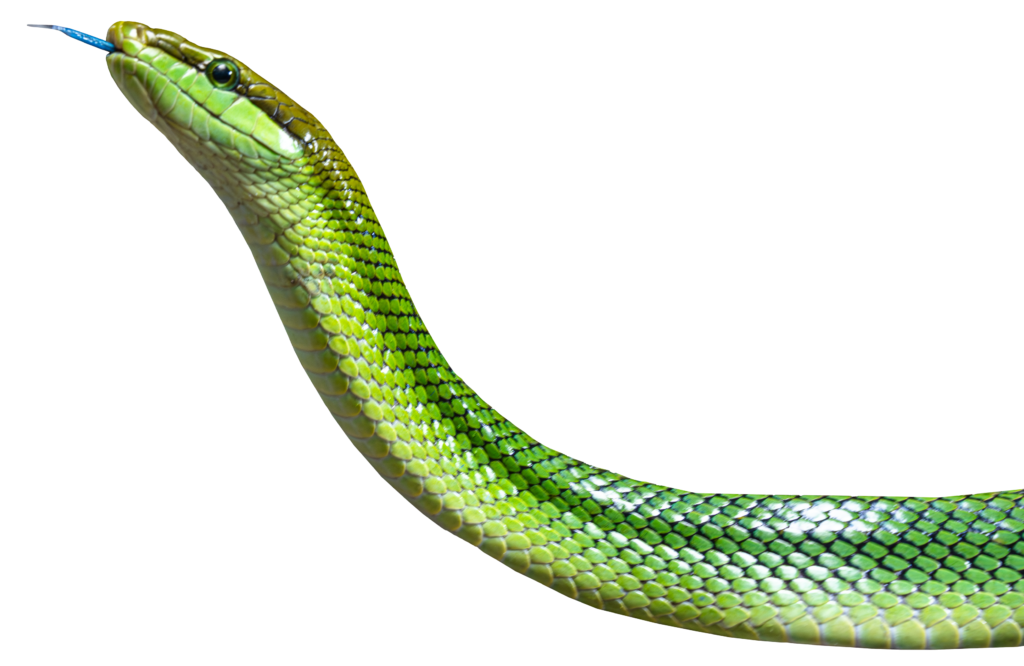
Red Tailed Rat Snake
- Class: Reptilia
- Order: Squamata
- Family: Colubridae
- Scientific Name: Gonyosoma oxycephalum
- Class: Reptilia
- Order: Squamata
- Family: Colubridae
- Scientific Name: Lampropeltis getula nigrita
Taxonomic Note: The red tailed rat snake is also known as the red-tailed green rat snake or arboreal rat snake. These snakes are separated by two locations, Southeast Asia (Gonyosoma oxycephalum) and North American (Pantherophis guttatus).
GEOGRAPHY
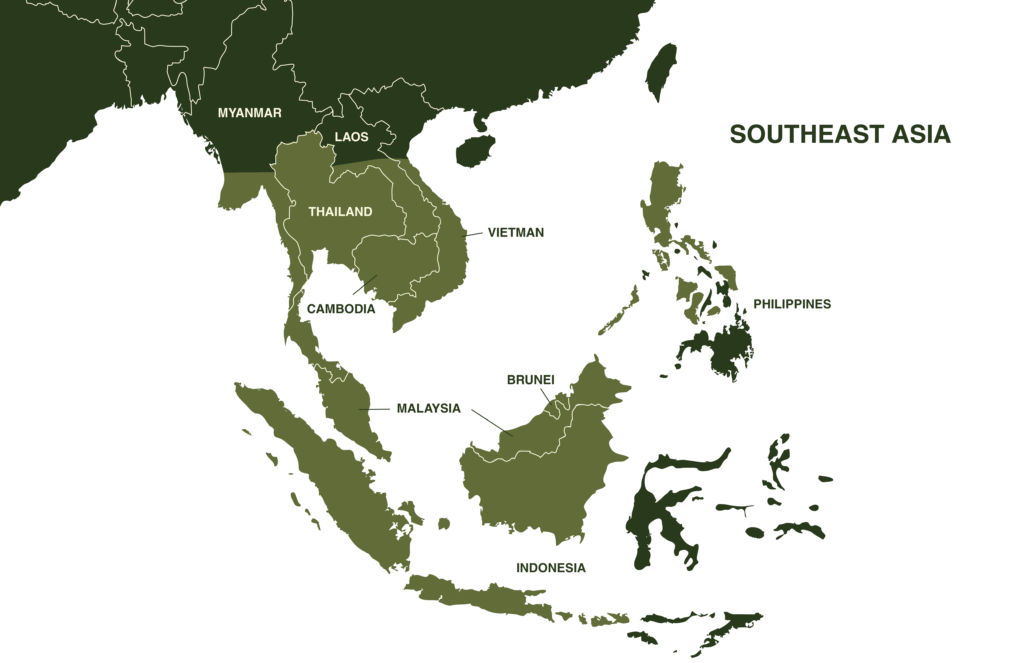
The red tailed rat snake is native to Southeast Asia, including Thailand, Vietnam, Cambodia, Laos, Malaysia, Singapore, Indonesia (Sumatra, Borneo, Java, Bali), the Philippines, and Myanmar. They inhabit tropical and subtropical rainforests, mangrove swamps, lowland forests, and agricultural areas such as plantations and orchards. These snakes are highly arboreal, spending the vast majority of their lives in trees and dense vegetation, rarely descending to the ground. They prefer humid environments with plenty of climbing opportunities, from low bushes to high forest canopies.
CHARACTERISTICS
Red tailed rat snakes are long, slender, and exceptionally agile. Adults typically reach 4–6 feet in length, with some individuals growing up to 8 feet. They are relatively lightweight for their length, typically weighing 1–3 pounds, which allows them to move gracefully through tree branches. They are carnivorous constrictors, killing their prey by coiling around it and squeezing. Their diet consists primarily of small mammals (particularly rodents), birds, bats, eggs, and occasionally lizards. They are skilled nest raiders and will consume both eggs and hatchlings.
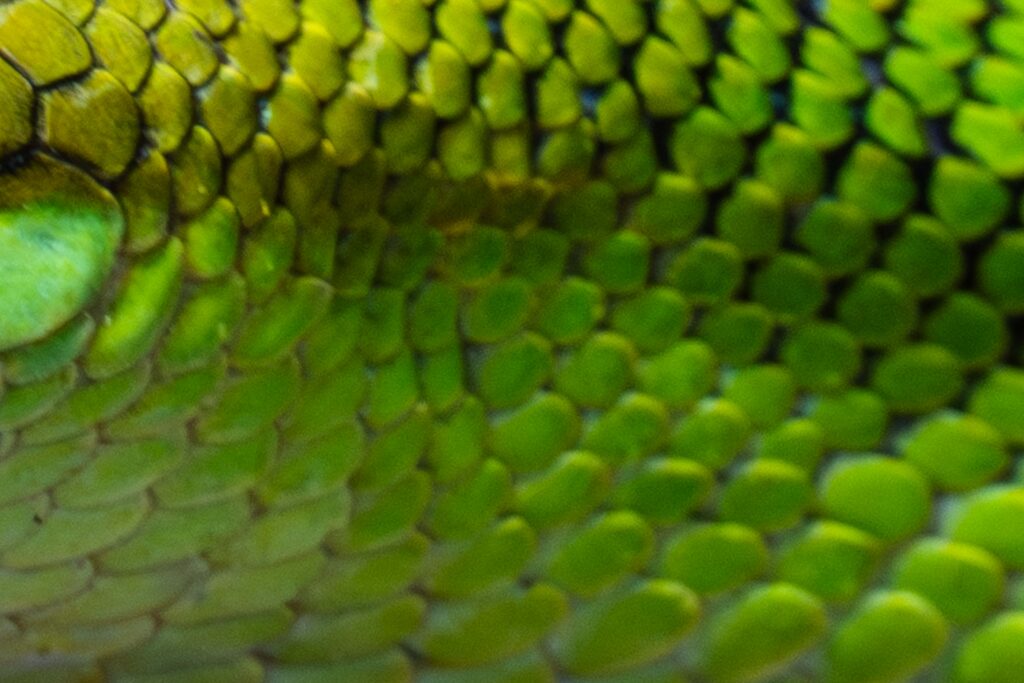
Unlike many rat snakes that are primarily terrestrial or semi-arboreal, the red tailed rat snake is fully arboreal. They are excellent climbers, using their strong, prehensile-like tail to grip branches while hunting or resting. Their long, slender bodies and keeled scales provide excellent traction on bark and leaves. They are primarily diurnal, active during the day when they hunt and bask, though they may also be active at twilight during hotter months. They hunt using a combination of excellent eyesight and chemical sensing via their forked tongue and Jacobson’s organ, detecting prey movement among the leaves.
One of the most stunning features of the red tailed rat snake is their brilliant coloration. Their body is typically a vivid, bright green ranging from emerald to lime, which provides perfect camouflage among tropical foliage. The most distinctive feature is their tail, which is a striking brick-red, rust, or reddish-brown color—giving the species their common name. This red tail is believed to serve as a decoy, attracting predators away from the snake’s vulnerable head, or possibly as a lure to attract curious prey. Their head is usually a paler green or yellowish-green, often with a distinctive dark stripe passing through the eye.
In the wild, red tailed rat snakes typically live 10–15 years, but they can live 15–20 years or more in captivity with proper care. They are oviparous, meaning they lay eggs. Females typically lay 5–12 eggs per clutch, which incubate for approximately 70–90 days. Hatchlings emerge measuring around 12–16 inches in length and are born with the same vibrant green body and red tail as the adults, though their colors may be slightly more muted until their first few sheds.
When threatened, red tailed rat snakes may inflate their throat and body to appear larger, hiss loudly, and strike repeatedly. They are known to be more defensive than many other rat snakes, particularly when wild-caught. However, captive-bred individuals often become much calmer with regular handling. Like other rat snakes, they may vibrate their tail rapidly against leaves or branches to produce a warning sound.
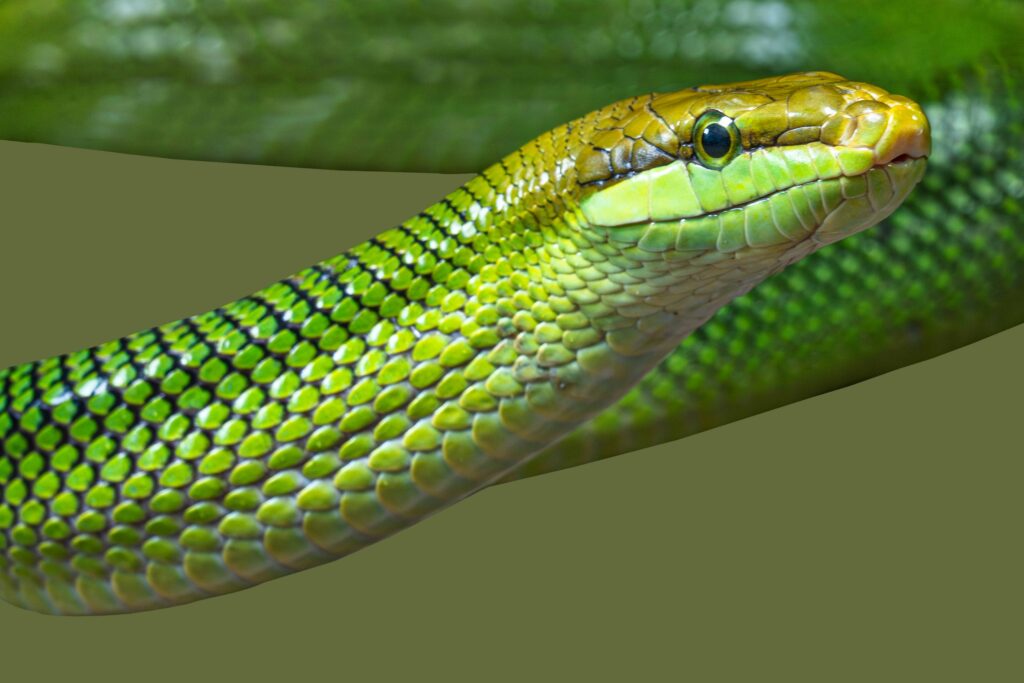
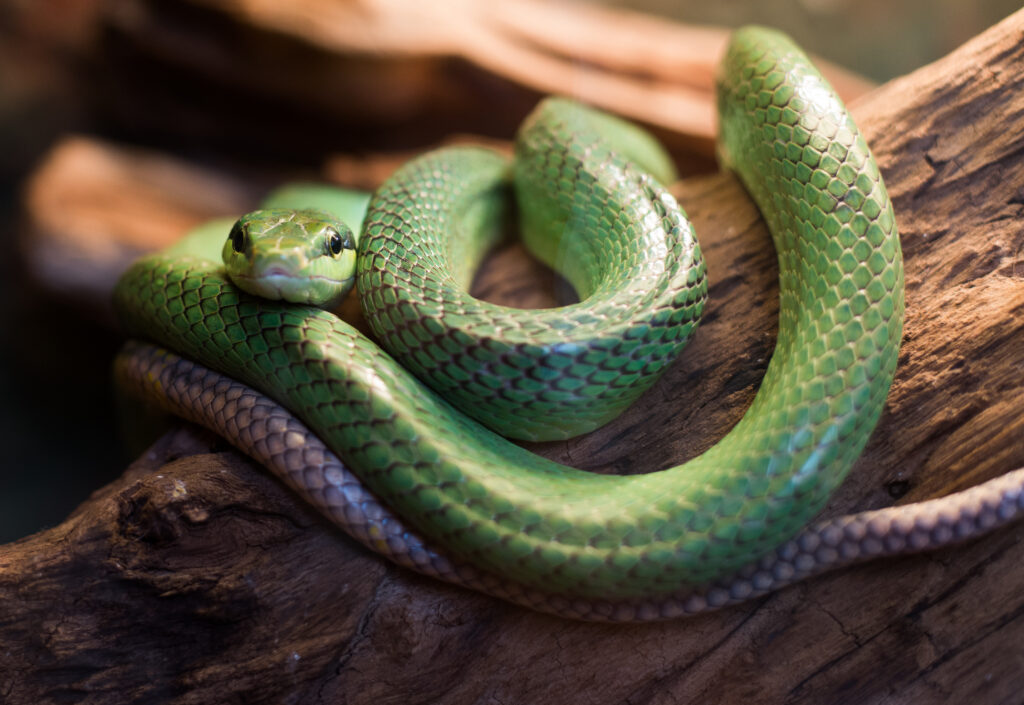
South Asian Red Tailed Rat Snake Tail. Adobe Stock.
South Asian Red Tailed Rat Snake Tail. Adobe Stock.
ECOLOGICAL IMPORTANCE
Red tailed rat snakes play a vital role in controlling rodent and bird populations in their native Southeast Asian ecosystems. By keeping these populations in check, they help maintain balance in tropical forests and agricultural areas. They also serve as an important food source for larger predators, including birds of prey, larger snakes, and wild cats. Their preference for agricultural areas means they often provide natural pest control for farmers, reducing the need for chemical rodenticides.